
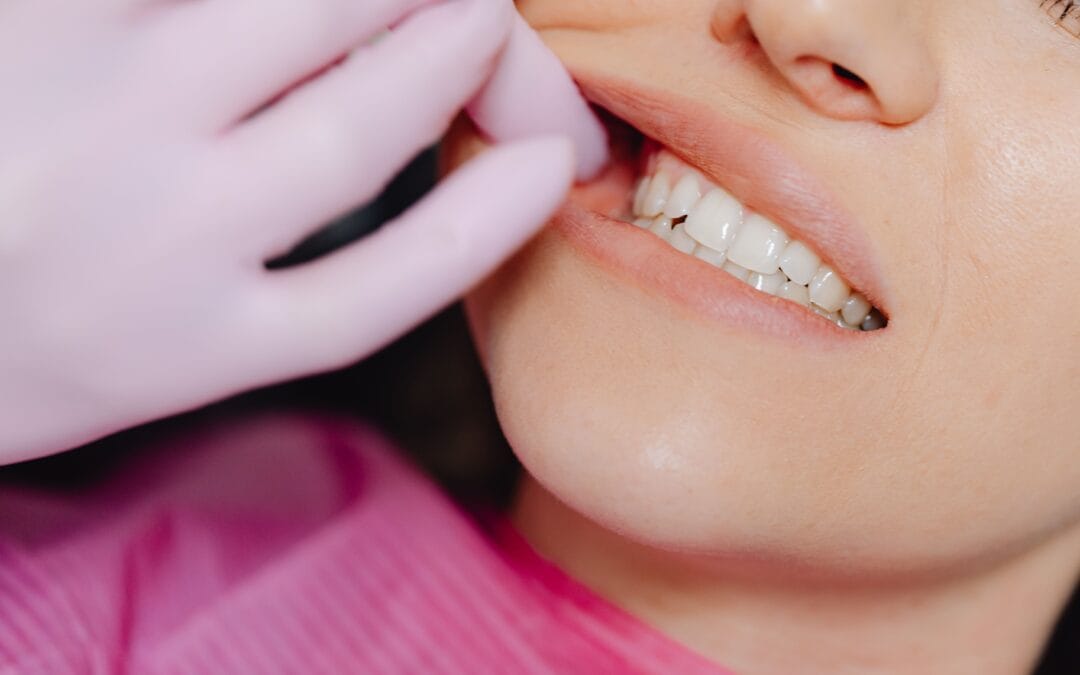
Noticing a white patch inside your cheek can be concerning, especially when it appears without pain or irritation. While some patches develop because of everyday habits, others may indicate an oral condition that needs professional assessment. The absence of discomfort does not always mean the tissue is healthy. Understanding the possible causes, recognizing changes, and knowing when to seek dental advice may help you respond appropriately.
What Causes White Patches Inside the Cheek?
Several conditions can cause a pale or white area to appear on the lining of the mouth. The location, texture, duration, and appearance of the patch can help a dental professional determine what may be causing it.
1. Friction From Teeth or Cheek Biting
Repeated rubbing against a rough tooth, dental restoration, or the habit of biting the inside of your cheek may cause the tissue to thicken. This reaction, known as frictional keratosis, can produce a white patch that is usually painless.
The area may improve when the source of friction is removed. However, a persistent patch should be examined rather than automatically attributed to cheek biting.
2. Oral Leukoplakia
Leukoplakia refers to white patches in the mouth that cannot be explained by another identifiable condition. These patches may have a thickened or uneven appearance and often do not cause pain.
Some cases are associated with tobacco use, while others develop without a clear cause. Although many white patches are harmless, leukoplakia can sometimes contain precancerous changes. A dental professional may recommend further investigation or a biopsy to establish the diagnosis.
3. Oral Lichen Planus
Oral lichen planus is an inflammatory condition that can affect the lining of the cheeks. It may appear as fine, white, lace-like lines or a more widespread pattern. Some people experience soreness, while others have no noticeable symptoms.
Because its appearance can overlap with other oral conditions, a professional examination is important before deciding on treatment.
4. Oral Thrush
Oral thrush is a fungal infection that may produce creamy white patches on the tongue, cheeks, or other surfaces inside the mouth. The patches can sometimes be wiped away, leaving red or sensitive tissue underneath.
It may occur after antibiotic use, with certain medical conditions, or when the normal balance of microorganisms in the mouth changes. Not every white patch is caused by a fungal infection, so treatment should follow an appropriate assessment.
When Should You Have a White Patch Examined?
A white patch that persists for two weeks or longer should be assessed by a dental or medical professional. Arrange an appointment sooner if it grows, becomes thick or irregular, develops red areas, bleeds, or forms an ulcer. Do not wait for pain to appear before seeking advice.
A dentist in Delta can examine the affected tissue, review possible causes, and determine whether monitoring, treatment, or further testing is appropriate. If a patch changes rapidly or is accompanied by a lump or difficulty swallowing, prompt assessment is particularly important. An emergency dentist in Delta may help assess urgent dental concerns, although a persistent painless patch still requires timely evaluation even without emergency symptoms.
What Can You Do in the Meantime?
Avoid tobacco, limit irritation from sharp or rough foods, and maintain gentle oral hygiene. Do not scrape the patch or apply unprescribed chemicals to it. If you suspect cheek biting or friction from a tooth, ask a dental professional to assess the source instead of attempting to correct it yourself.
Arrange an Oral Health Assessment With Wellbeing Dental!
A painless white patch may result from simple irritation, but its appearance alone cannot confirm the cause. Early assessment may help identify conditions that need attention and clarify the appropriate next steps.
Wellbeing Dental (Dr. Timothy Cheung Inc.) can be a starting point for discussing changes in your oral tissues. Visit Wellbeing Dental to learn more about our practice and explore whether a dental assessment may be appropriate for your concerns.